The Flat Roof Solar Revolution
A guide to 2026 solar rules for flat roofs, explaining the new 600mm height allowance for hassle-free installation.
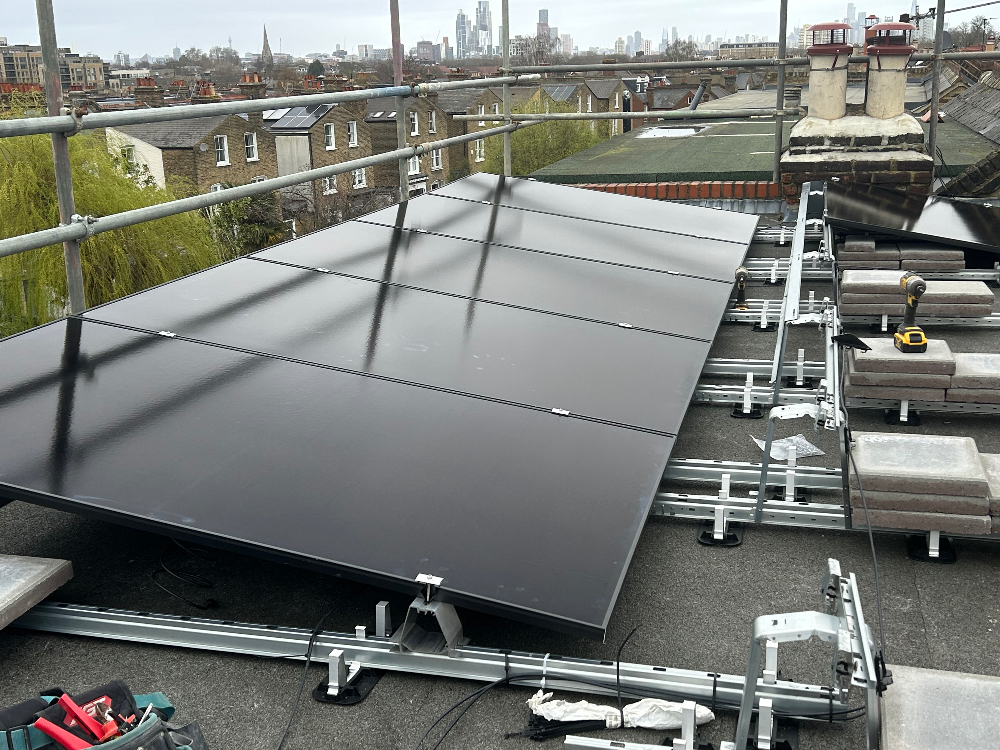
Can I Put Solar Panels on a Flat Roof?
For many years, homeowners with flat roofs felt left behind by the solar revolution. Because flat roofs often require mounting frames to angle the panels toward the sun, these systems frequently poked above the old 200mm height limit for Permitted Development.
The good news is that as of 2026, the rules have changed. Under updated planning laws, you can now install solar equipment on a flat roof that protrudes up to 600mm above the roofline without needing a formal planning application. This makes solar a viable, hassle-free option for modern extensions, garages, and apartment blocks.
Do Flat Roof Solar Panels Need Planning Permission?
In most cases, no. As long as your system meets the following criteria, it falls under Permitted Development:
- Height: The highest part of the solar equipment is no more than 600mm higher than the highest part of the flat roof (excluding the chimney).
- Edge Gaps: The panels must be sited at least 1 metre from the external edges of the roof to manage wind loading and aesthetics.
- Aesthetics: The installation should, as far as practicable, minimise the effect on the external appearance of the building.
Why Is the 600mm Rule Such a Game-Changer?
To get the best return on your investment, solar panels usually need to be tilted at an angle of 10 to 30 degrees. On a flat roof, this requires a bucket or A-frame mounting system. Previous limits of 200mm were often too restrictive for these frames, but the 600mm allowance gives our Green Gurus the flexibility to design a high-performance system that stays within the law.
What Should I Consider Before Installing on a Flat Roof?
While planning permission is less of a hurdle now, flat roofs have unique requirements:
- Structural Integrity: Flat roofs must bear the weight of the panels plus the ballast used to hold the frames in place.
- Drainage: Systems must be designed so they do not block the flow of rainwater to your gutters.
- Self-Cleaning: Because flat-mounted panels do not benefit from rain-washing as easily as pitched ones, a slight tilt is essential to prevent dirt build-up.
At MakeMyHouseGreen, we specialise in these technical layouts. Our Green Gurus can help you determine if your flat roof is ready for a solar upgrade.
Ready to see what you can save?
Our solar calculator is 100% free to use. Enter your postcode below to get started.

Based on 400+ Trustpilot reviews